Rabi Crops: Which Ones They Are, When to Sow and When to Harvest
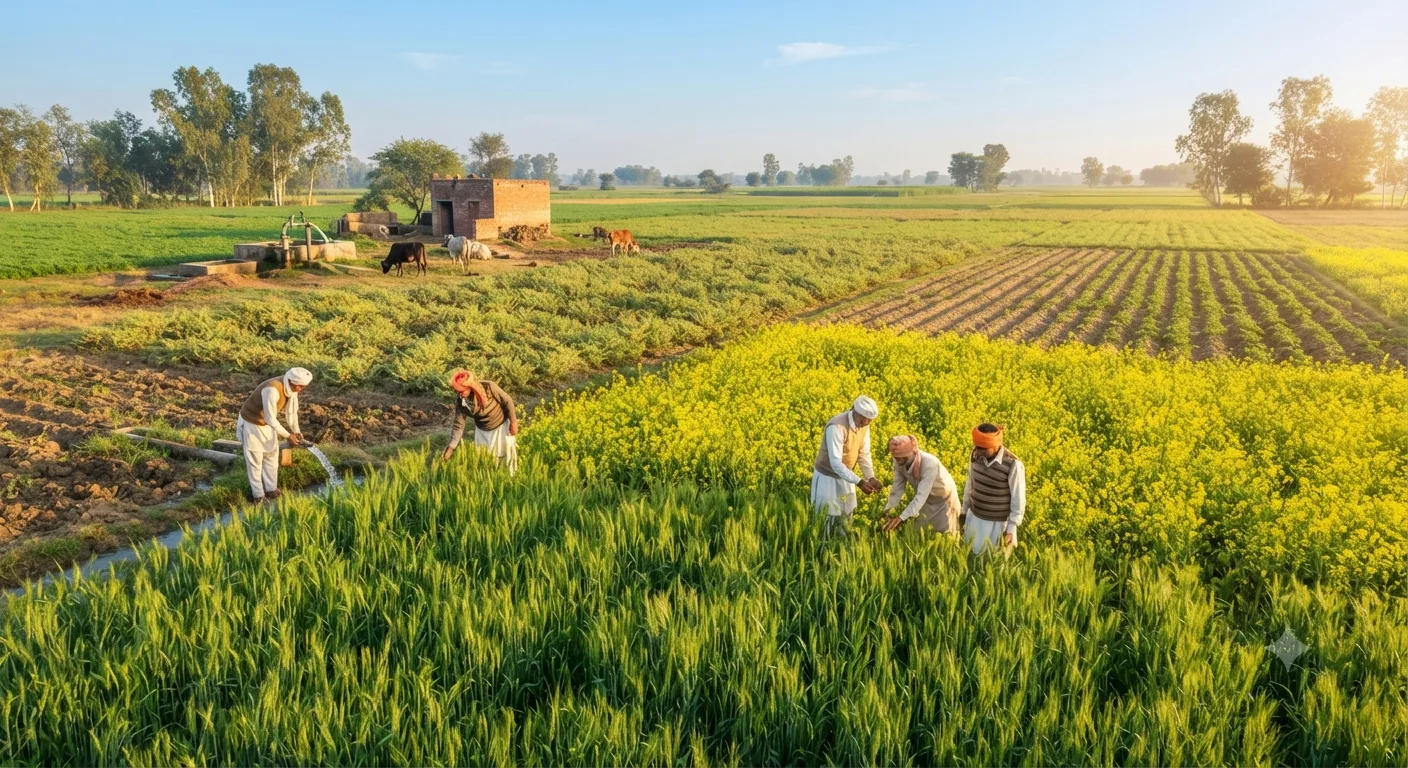
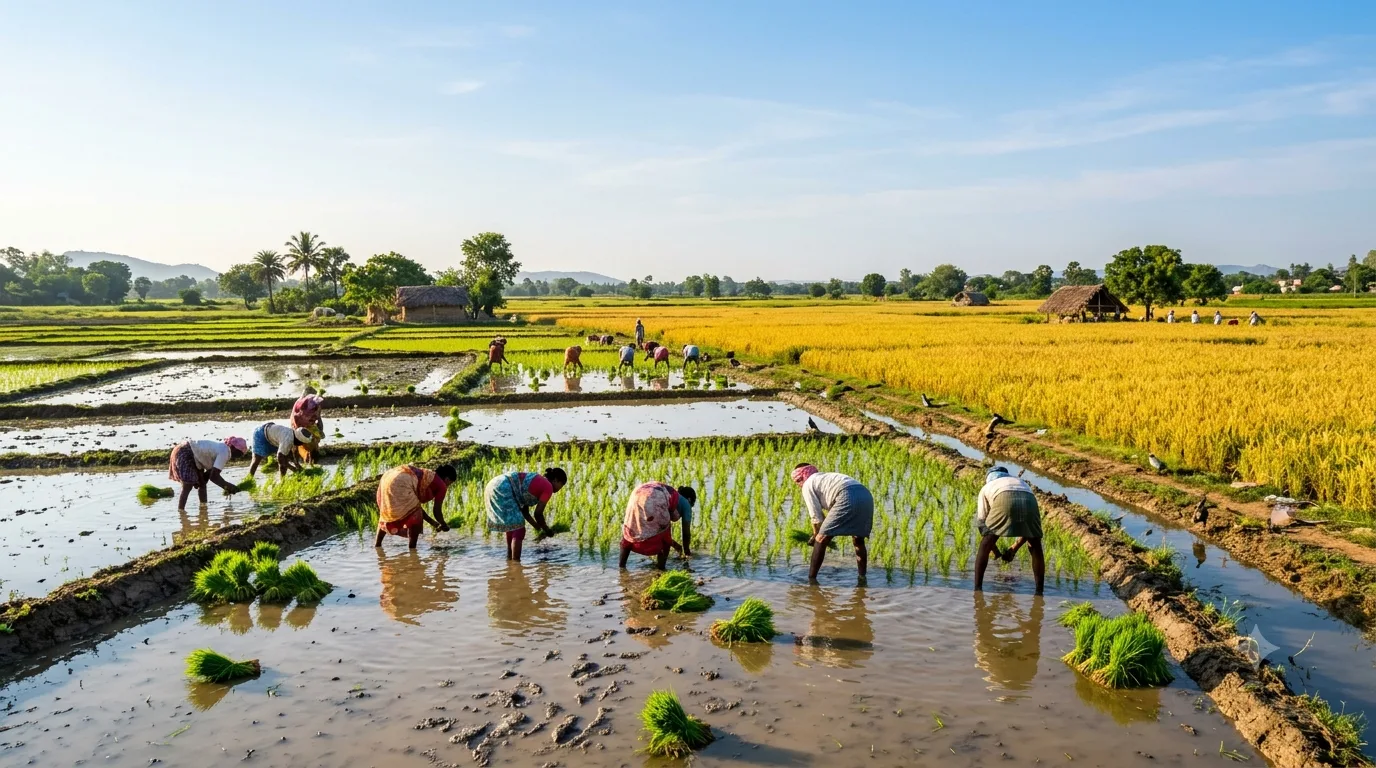
Rabi is the season in which crops grow through the winter and ripen in early summer. These crops need cool weather, so they are sown between October and December and harvested around March-April.
Difference Between Rabi, Kharif and Zaid
- Rabi: Sown October-December, harvested March-April. Examples: wheat, gram, mustard.
- Kharif: Sown June-July (with the monsoon), harvested around October. Examples: paddy, maize, bajra.
- Zaid: Short-duration crops between March and June. Examples: watermelon, muskmelon, cucumber.
Major Rabi Crops
- Cereals: Wheat, barley.
- Pulses: Gram (chana), lentil (masoor), pea.
- Oilseeds: Mustard and rapeseed (rai), linseed.
- Vegetables and tubers: Potato, pea, cauliflower and cabbage, carrot, radish, spinach.
- Fodder: Berseem, oats. These are good sources of green fodder for animals.
Approximate Sowing and Harvest Time (northern plains)
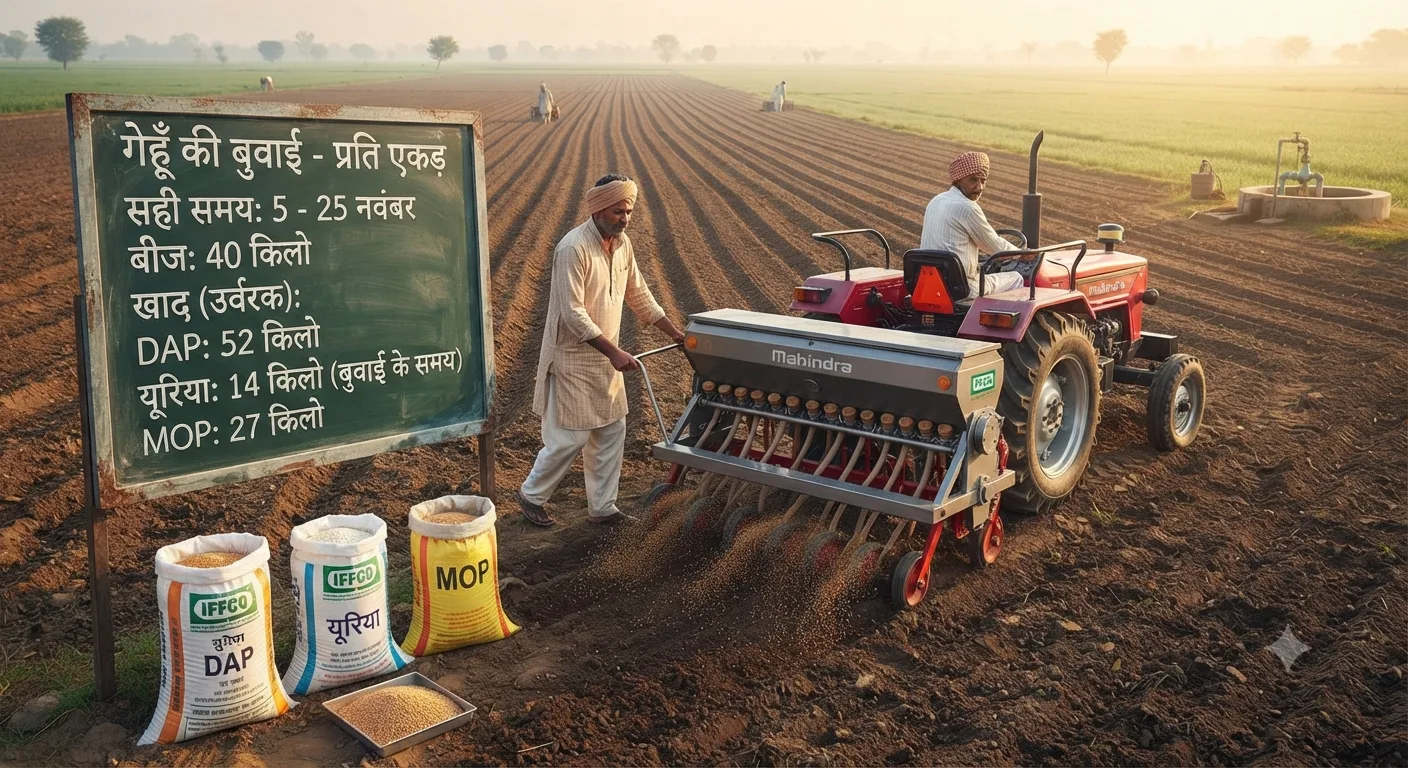
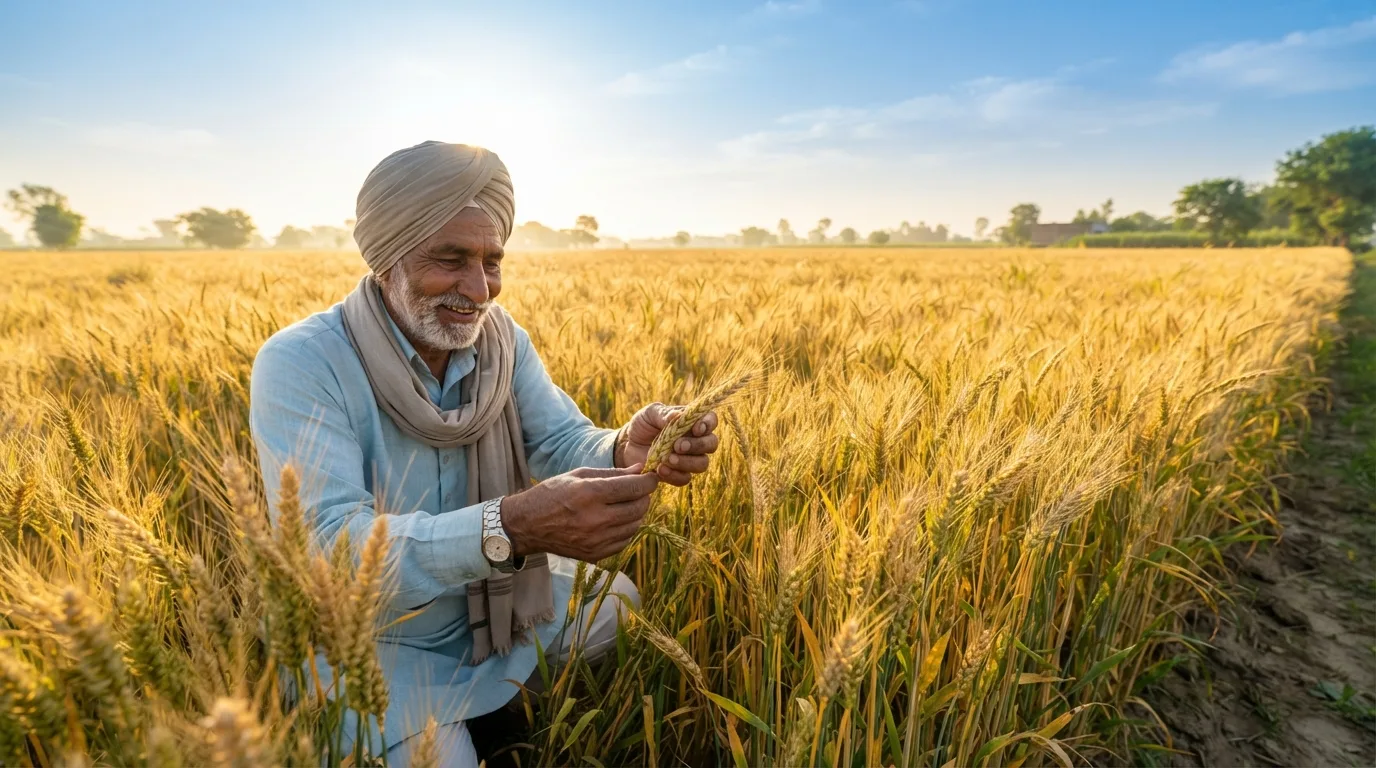
- Wheat: Sown in November, harvested March-April.
- Gram: Sown October-November, harvested March-April.
- Mustard: Sown in October, harvested February-March.
- Lentil and pea: Sown October-November, harvested around March.
- Potato: Sown from mid-October to November, dug January-March.
- Berseem: Sown October-November, gives several cuttings.
Timing varies with region and variety. Ask your Krishi Vigyan Kendra (KVK) for the right dates for your area.
Points to Keep in Mind in Rabi Farming
- Sow on time: Late sowing often reduces yield, especially in wheat.
- Irrigation: Rainfall is low in rabi, so plan irrigation in advance.
- Frost (cold injury): Severe cold and frost in December-January can damage potato, mustard and vegetables. Where needed, a light irrigation is used for protection.
- Balanced fertiliser: Apply fertiliser based on a soil test.
- Crop rotation: Alternating pulses (gram, lentil, pea) with cereals helps keep the soil fertile.
- Diseases and pests: Inspect the field regularly. Deal with problems like rust (wheat), aphids (mustard) and pod borer (gram) early.
How to Choose the Right Crop
- Consider your soil and water availability.
- Check market prices and demand in your local mandi.
- If you keep animals, keep a part of the land for fodder crops (berseem, oats).
- Growing two or three crops instead of depending on one spreads the risk.
Conclusion
Success in a rabi crop depends on the right timing, the right variety and the right irrigation. Find sellers of seed, fertiliser and farm equipment in the "Agriculture" section of gavbazar.
Disclaimer: This information is based only on experience and is for general awareness. Please consult a veterinarian or agriculture expert before making any decision about your animals or crops. gavbazar will not be liable for any loss arising from its use.