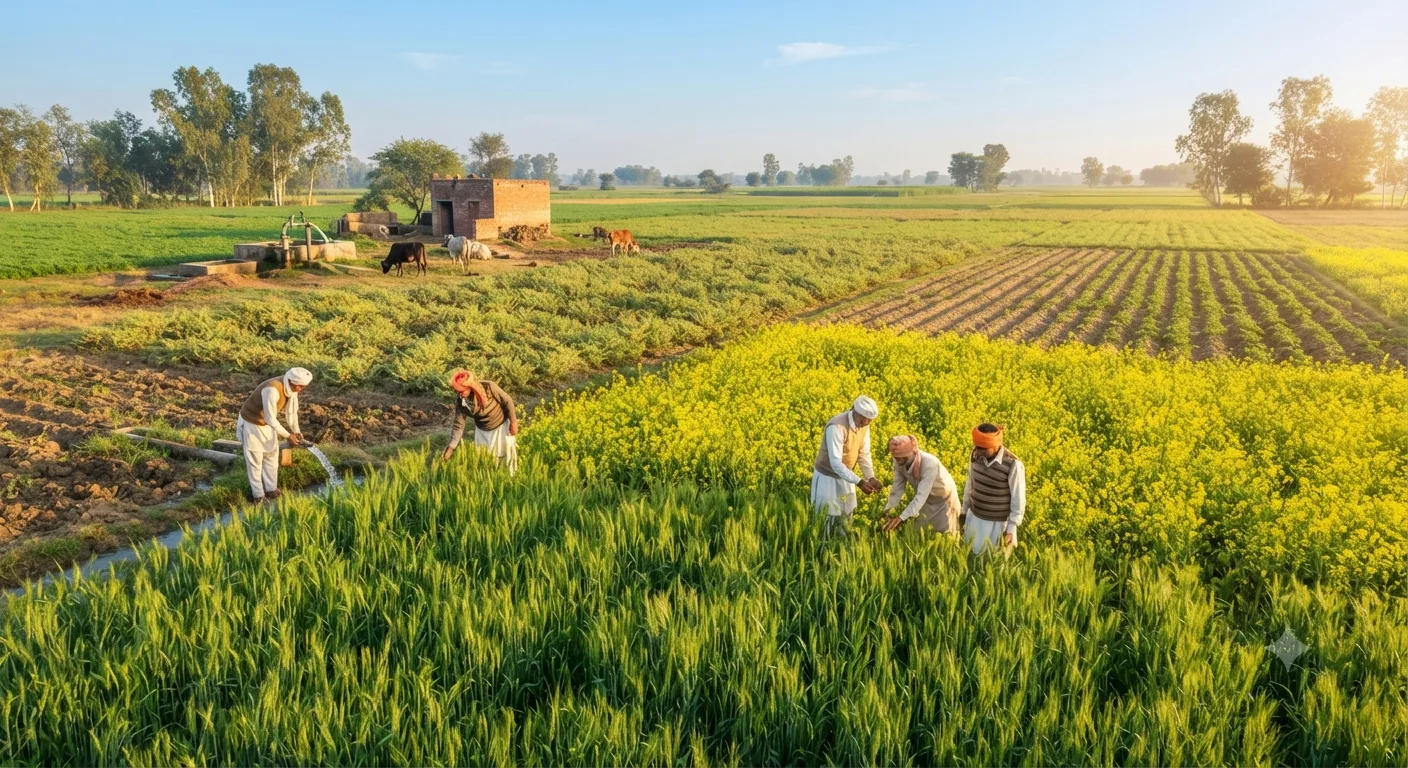
Practical Guide to Village Animal & Pet Care: Essential Tips Every Rural Household Should Know
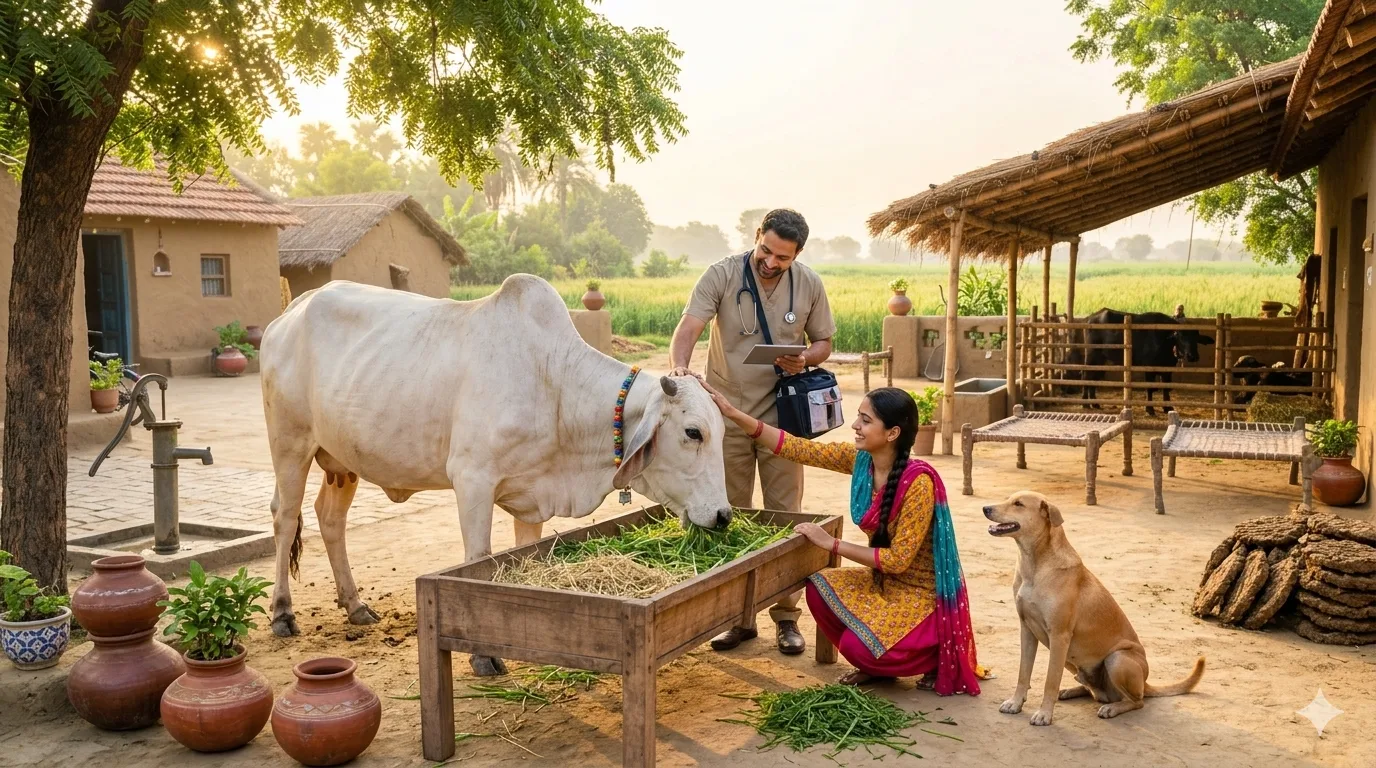
In rural India, raising livestock and keeping household pets go hand in hand. Whether you manage dairy cattle like cows and buffaloes, raise goats, or care for a loyal village dog, proper knowledge of nutrition, hygiene, and preventive healthcare directly improves animal well-being and household prosperity. This practical guide breaks down essential, easy-to-follow steps that every rural animal owner can apply daily.
- Daily Feeding & Water Rules (What to Give and What to Avoid)
A healthy animal starts with smart feeding habits. Small mistakes in diet can quickly lead to digestion problems or reduced milk yield. • Balance Green and Dry Fodder: Feed cattle and buffaloes a mix of two-thirds dry fodder (bhusa) and one-third green fodder (like berseem, jowar, or maize). Sudden shifts to only green fodder can cause severe bloating (afara). • Don't Skip Mineral Mixture: Give lactating cows and buffaloes 40–50 grams of mineral mixture and 30 grams of common salt daily. This prevents weak bones, improves fertility, and maintains steady milk production. • Safe Diet for Village Pets: Feed domestic dogs fresh roti, rice, curd/buttermilk (chaach), and boiled eggs or vegetables. Strictly avoid feeding them overly spicy leftover curries, sweets, onion, garlic, or cooked poultry bones that can splinter. • Clean Water Access: Scrub water troughs (naand) once a week with lime or salt water to prevent algae buildup. Always offer fresh, clean water rather than stagnant pond water.
- Shed Management & Hygiene Checklist
Most livestock infections spread through damp floors, dirty bedding, and external parasites like ticks and flies. • Keep Floors Dry and Sloped: Ensure the cattle shed (gaushala) has a slight slope so urine drains out easily. Wet floors cause painful hoof infections (foot rot) and mastitis (thanela rog) in dairy animals. • Control Ticks and Flies Naturally: Burn dried neem leaves in the evening to create smoke that repels mosquitoes and flies, or spray diluted neem oil around the shed corners. • Separate Pet Bedding: Provide household dogs and cats with a raised wooden cot (charpai) or clean jute sacks in a dry corner so they do not sleep directly on cold or damp mud floors.
- Seasonal Protection Calendar for Rural India
Weather extremes in North India—from scorching summer loo to freezing winter fog—require timely adjustments: • Winter Care (November – February): Cover open shed sides with tarpaulin or gunny curtains at night. Spread dry paddy straw (pual) on the floor for warmth, and include 50–100 grams of jaggery (gur) and mustard oil cake (sarson ki khal) in cattle feed to maintain body heat. • Summer Care (April – June): Provide thick shade using thatch (chhappar) or shade nets. Bathe buffaloes twice a day or allow them access to clean water to prevent heat stress, and keep fresh water bowls in shaded corners for dogs and birds. • Monsoon Care (July – September): Store dry fodder in a leak-proof area so it does not develop fungus, which can poison livestock. Keep animals away from waterlogged areas where bacterial infections spread rapidly.
- Essential Vaccination & Deworming Schedule
Preventive medicine saves farmers and pet owners from heavy treatment costs and sudden animal loss. • Deworming (Pet ke Keede ki Dawa): • Calves & Kids: Deworm at 15 days of age, then monthly up to 6 months. • Adult Cattle & Goats: Deworm every 3 to 4 months, especially before and after the monsoon season. • Dogs & Cats: Deworm every 3 months to prevent weakness and stomach infections. • Must-Have Vaccinations: Visit your nearest government veterinary hospital (Pashu Chikitsalaya) for free or low-cost vaccination drives: • Foot-and-Mouth Disease (FMD): Twice a year (usually autumn and spring). • Hemorrhagic Septicemia (HS / Galghontu): Annually before the monsoon (May–June). • Anti-Rabies Vaccine (for Dogs/Cats): First dose at 3 months of age, followed by a yearly booster.
- Early Warning Signs: When to Call a Veterinarian
Animals cannot express pain verbally, so recognizing early symptoms is critical: • Sudden drop in milk production or refusal to eat fodder/food. • Dry nose, sunken eyes, excessive drooling, or high fever (warm ears and horns). • Swelling in the udder, limping, or bloody/watery diarrhea. • Unusual aggression, hiding, or continuous whining in pet dogs.