10 Easy and Effective Ways to Increase Milk Yield in Cows and Buffaloes
Also available in: हिन्दी
Every livestock farmer wants their cow or buffalo to produce more milk. The good news is that you don't always need expensive injections or medicines to achieve better milk production. With proper knowledge, regular care, and a little attention, you can see a noticeable improvement in milk yield.
- Provide a Balanced Diet Feeding only dry fodder is not enough to increase milk production. Provide a proper combination of green fodder, dry fodder, and concentrate feed (oil cakes, bran, and crushed grains). Green fodder plays an important role in improving milk production.
- Provide Clean and Plenty of Water Milk contains approximately 87% water. If your animal does not get enough clean and fresh water throughout the day, milk production may decrease. During summer, provide water at least 3–4 times a day. If possible, keep a water trough filled with fresh water at all times.
- Mineral Mixture and Salt Mix the recommended quantity of mineral mixture into the animal's daily feed. It helps maintain strong bones, improves overall health, supports milk production, and contributes to better reproductive health. Provide salt in the recommended quantity as well.
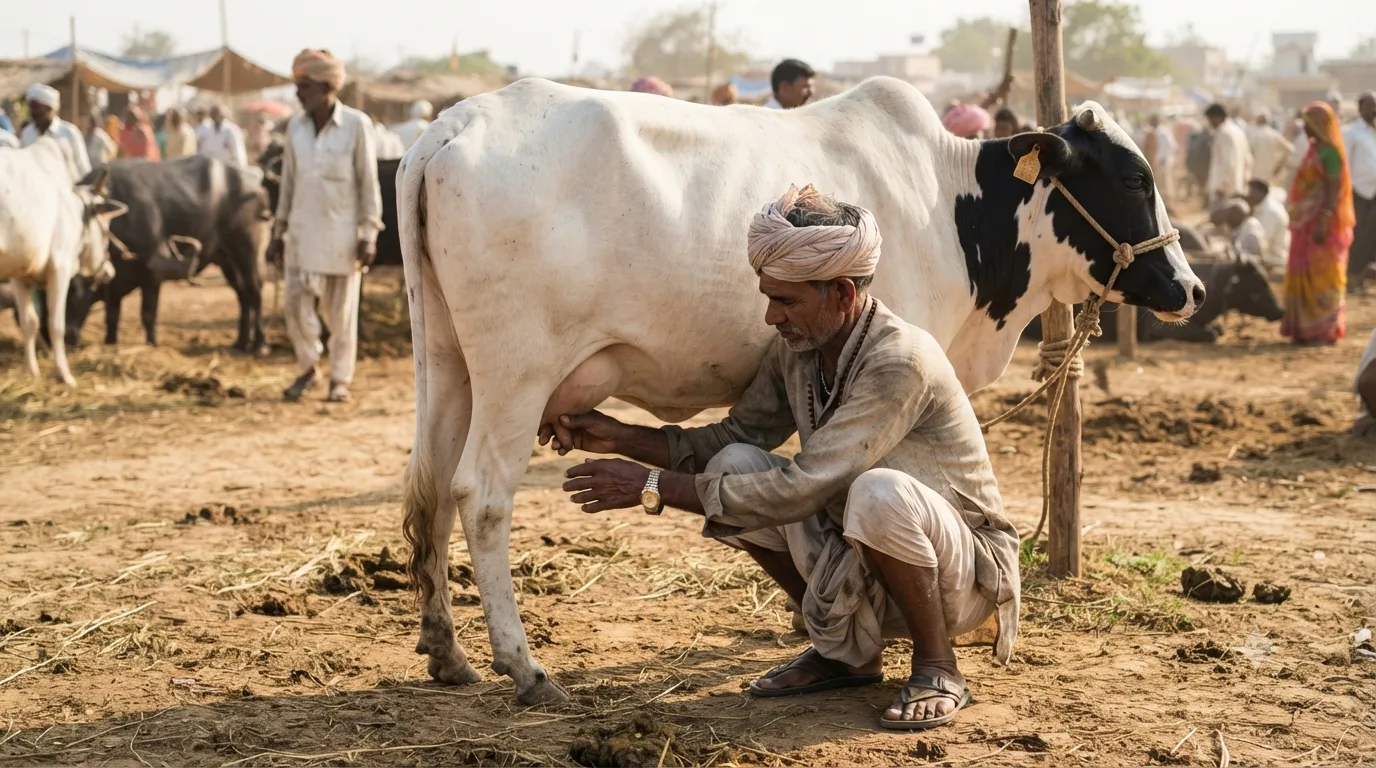
- Maintain a Fixed Milking Schedule Always milk your cow or buffalo at the same time every day. Frequent changes in milking schedules can cause stress and affect milk production. Maintaining a regular routine helps keep the animal comfortable.
- Keep the Udder Clean Before milking, wash the udder with clean lukewarm water and wipe it with a clean cloth. Poor udder hygiene increases the risk of mastitis (udder infection), which can significantly reduce milk production.
- Provide a Comfortable and Well-Ventilated Shelter Animals produce better when they live in a clean, dry, shaded, and comfortable environment. Ensure proper ventilation and drainage for urine and dung. Protect animals from excessive heat, rain, and cold weather.
- Protect Animals from Stress Loud noises, physical punishment, and frequent changes in surroundings can negatively affect milk production. Always handle your animals gently and provide them with a peaceful environment.
- Timely Vaccination and Deworming An unhealthy animal cannot achieve its full milk-producing potential. Follow a proper vaccination schedule and provide deworming treatment as recommended by a veterinary doctor. Regular health check-ups help prevent diseases and maintain productivity.
- Take Special Care After Calving The first 2–3 months after calving are particularly important for milk production. During this period, provide nutritious feed, sufficient clean water, and proper care. Avoid sudden changes in the animal's diet.
- Choose a Good Dairy Breed If an animal belongs to a low milk-producing breed, its milk production potential may be limited. Before purchasing a cow or buffalo, check its breed, age, health condition, and its mother's milk production record. Conclusion There is no magical formula for increasing milk production. A balanced diet, clean drinking water, proper hygiene, and regular care are the real keys to healthy and productive dairy animals.
Make a habit of recording your animal's daily milk production. This will help you track improvements and identify any sudden changes.
If you notice any health problems, visit the "Doctor" section on gavbazar to consult a nearby veterinary doctor and get professional advice.